Palau
Overview Conservation in Palau extends back for thousands of years and is an integral part of Palauan culture. Palau has a growing and robust environmental sector, comprised of government, nonprofit, academic, and business…

Overview Conservation in Palau extends back for thousands of years and is an integral part of Palauan culture. Palau has a growing and robust environmental sector, comprised of government, nonprofit, academic, and business…

Overview The Gulf of California’s fisheries, which include shrimp, squid, tuna and sardines, account for 70% of Mexico’s fishing and contribute USD $ 900 million annually to its economy. The spectacular natural beauty…
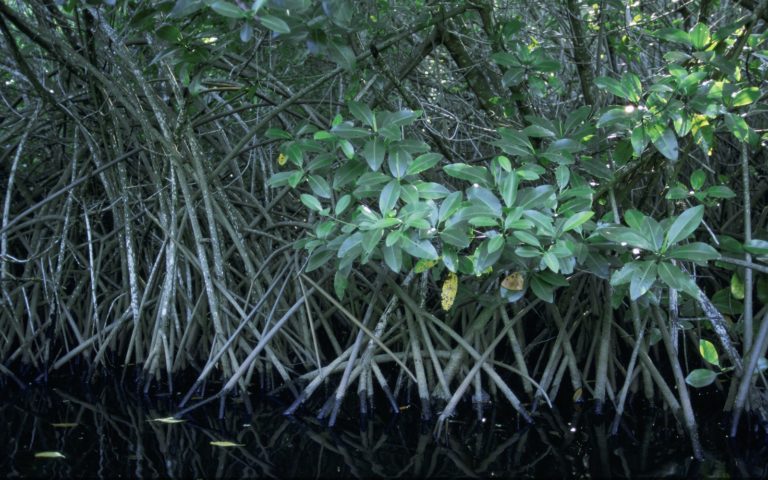
Overview Marismas Nacionales’ extensive brackish lagoons and 220,000 hectares of mangroves makes it a wetland of international importance. This ecosystem provides important environmental services for the world and its inhabitants, by providing fertile…
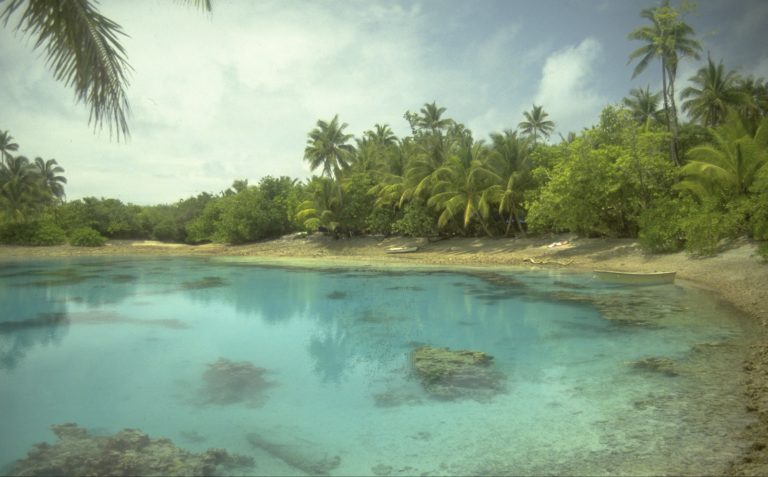
Overview The Marshall Islands represent a unique case for conservation planning due to their geographic isolation, lack of substantial environmental data, high levels of subsistence use of natural resources, and traditional land-tenure and…
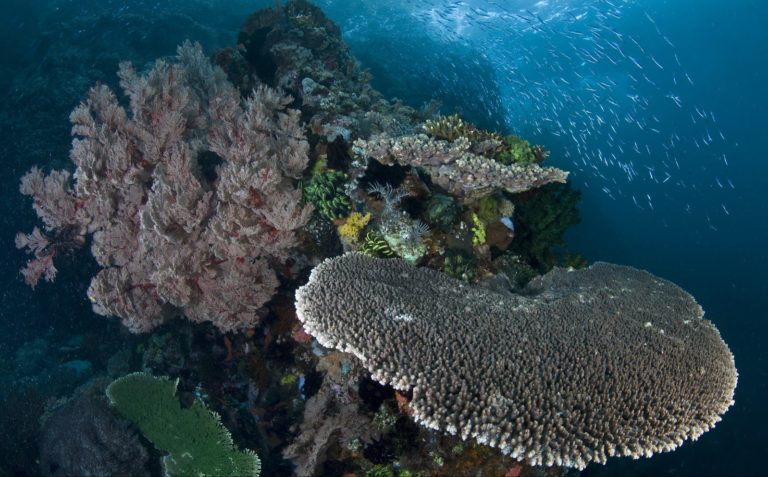
Overview Due to its unique oceanographic features, including deep trenches, strong currents, and areas of upwelling, the Savu Sea is an important habitat and migratory corridor for cetaceans and turtles, a key nursery…
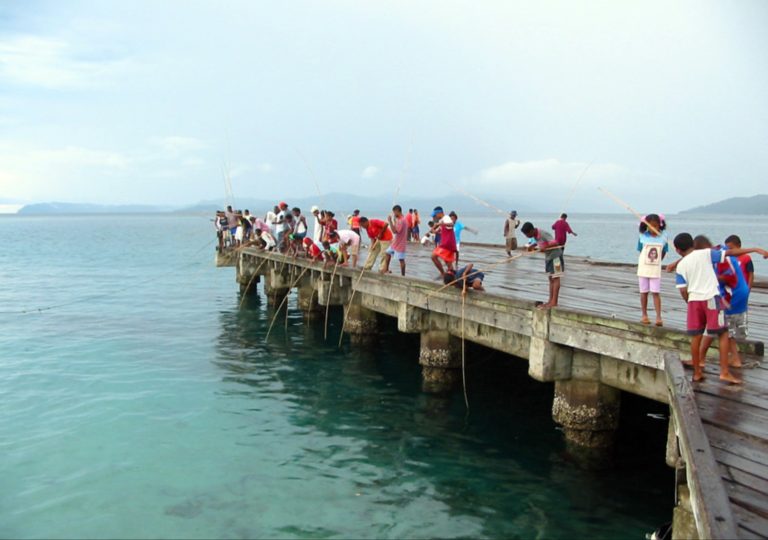
Overview The Raja Ampat, or Four Kings, archipelago encompasses some four million hectares of land and sea off the northwestern tip of Indonesia’s West Papua Province. It is located in the Coral Triangle,…
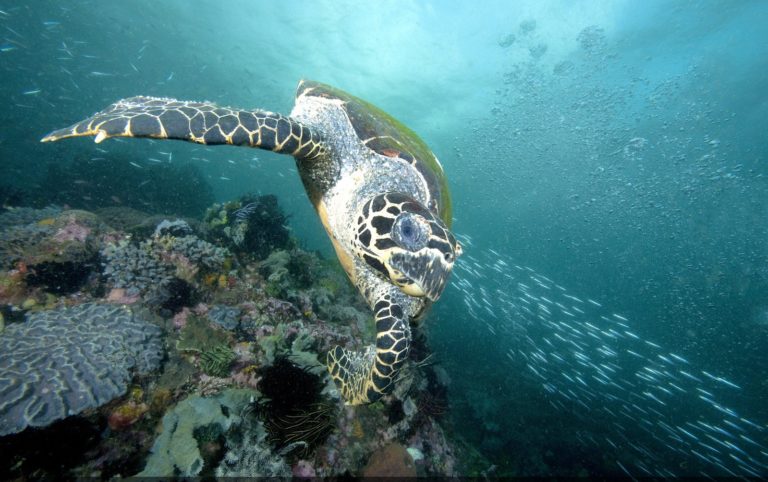
In 2013, the Coral Triangle Initiative Seascape Working Group identified Lesser Sunda as Indonesia’s top conservation priority. In the face of increasing interest by the Indonesian government to promote short-sea shipping in Indonesia,…
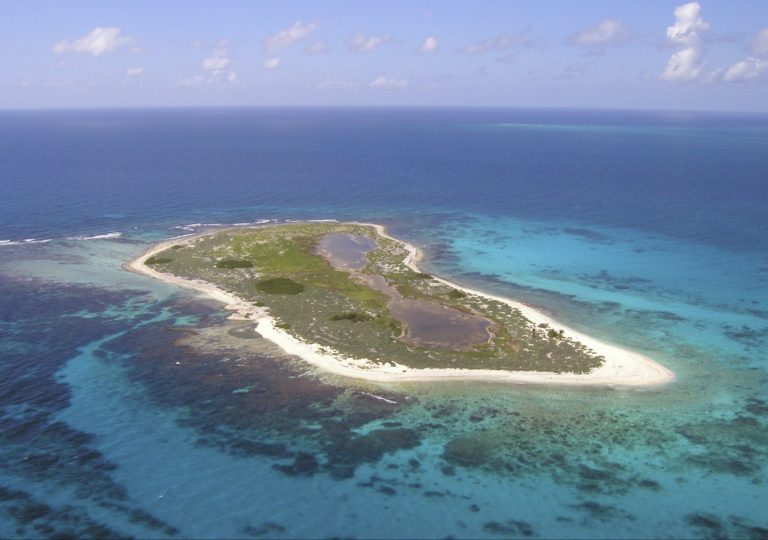
Overview Located approximately 50 miles (80 km) southwest of Jamaica, Pedro Bank is a biologically and economically-significant area. Its three sandy islands (cays) are composed of coral reefs, sand, and sea grass beds….
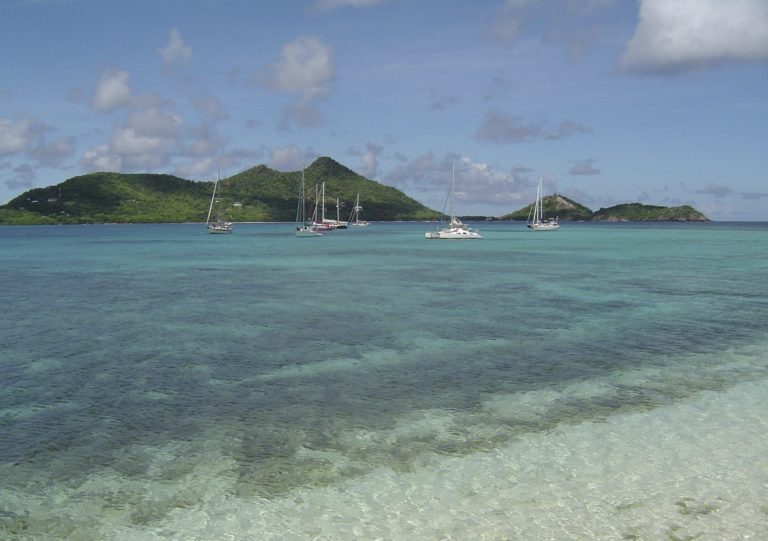
Overview Grenada has been a leader in the Caribbean Challenge Initiative, which calls for sustainably managing and protecting 20% of the Caribbean’s marine and coastal ecosystems by 2020. Grenada’s Marine Protected Network spans its…
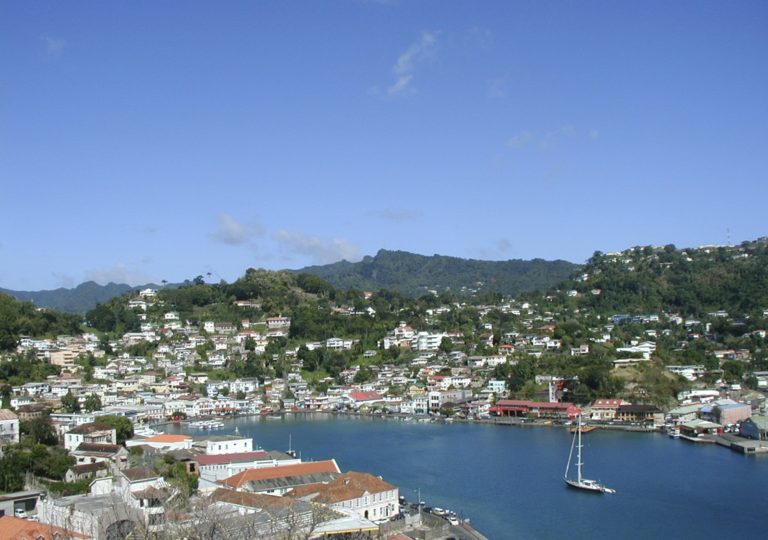
Overview The ECMMAN project helps six Eastern Caribbean realize national and regional commitments to protect their nearshore and marine resources under the Caribbean Challenge Initiative, among other environmental commitments and policies. The marine…
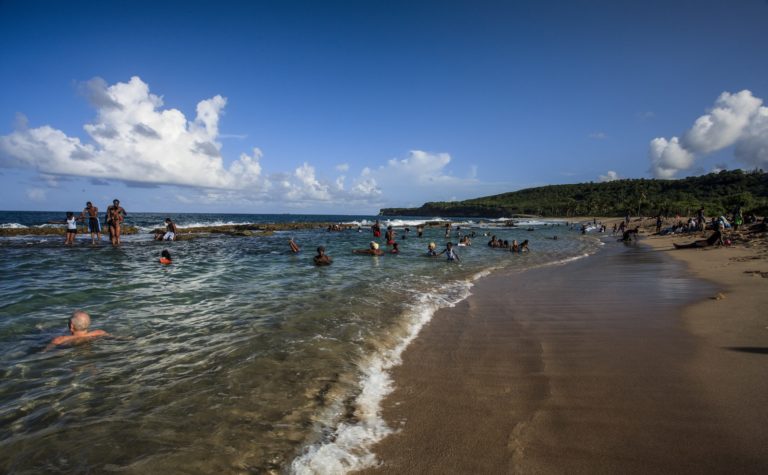
Overview Ocean resources in the Caribbean have the potential to make a much greater contribution to poverty reduction and shared prosperity for the region’s growing population of 40 million, and to increase their…
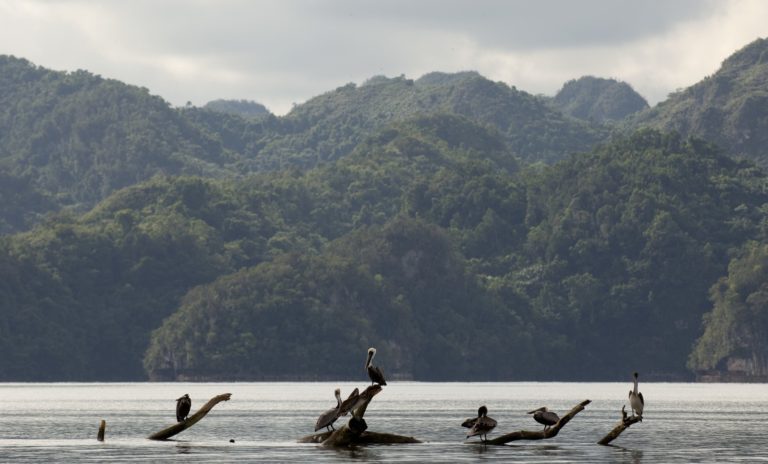
Overview Fed by the Yuna River, Samaná Bay is one of the largest estuaries in the Caribbean and is an important habitat for humpback whales, sea turtles, manatees, as well as corals and…
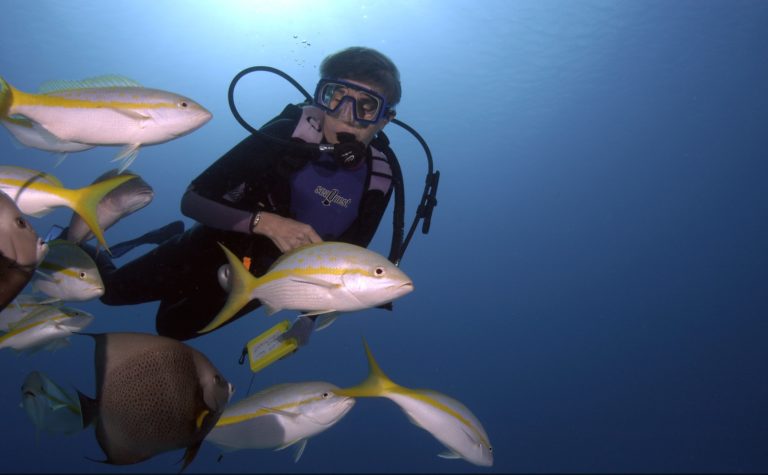
Overview Since 2008, TNC has been working with the Cayman Islands Department of Environment on MPA design and assessment. Partnering with local government and stakeholders, TNC helped to design a New MPA Network…
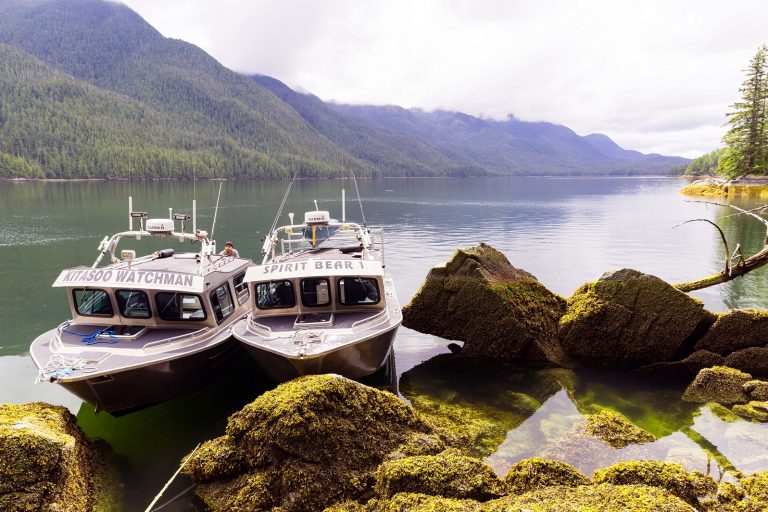
Overview Canada has the world’s longest coastline, stretching more than more than 202,080 km (125,000 miles) around its borders. These waters harbor an incredible array of marine life and support the economic and…
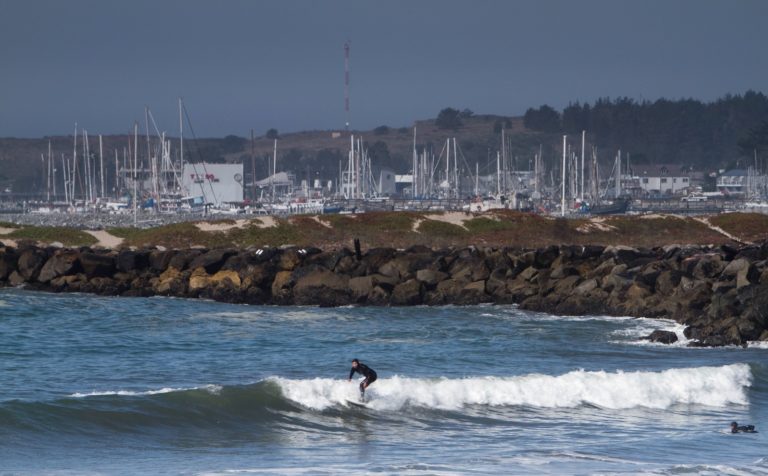
Overview MPAs TNC provided planning and GIS expertise to the California Marine Life Protection Act Initiative over a 7-year MPA network planning process that was conducted regionally throughout state waters. TNC provided 2…